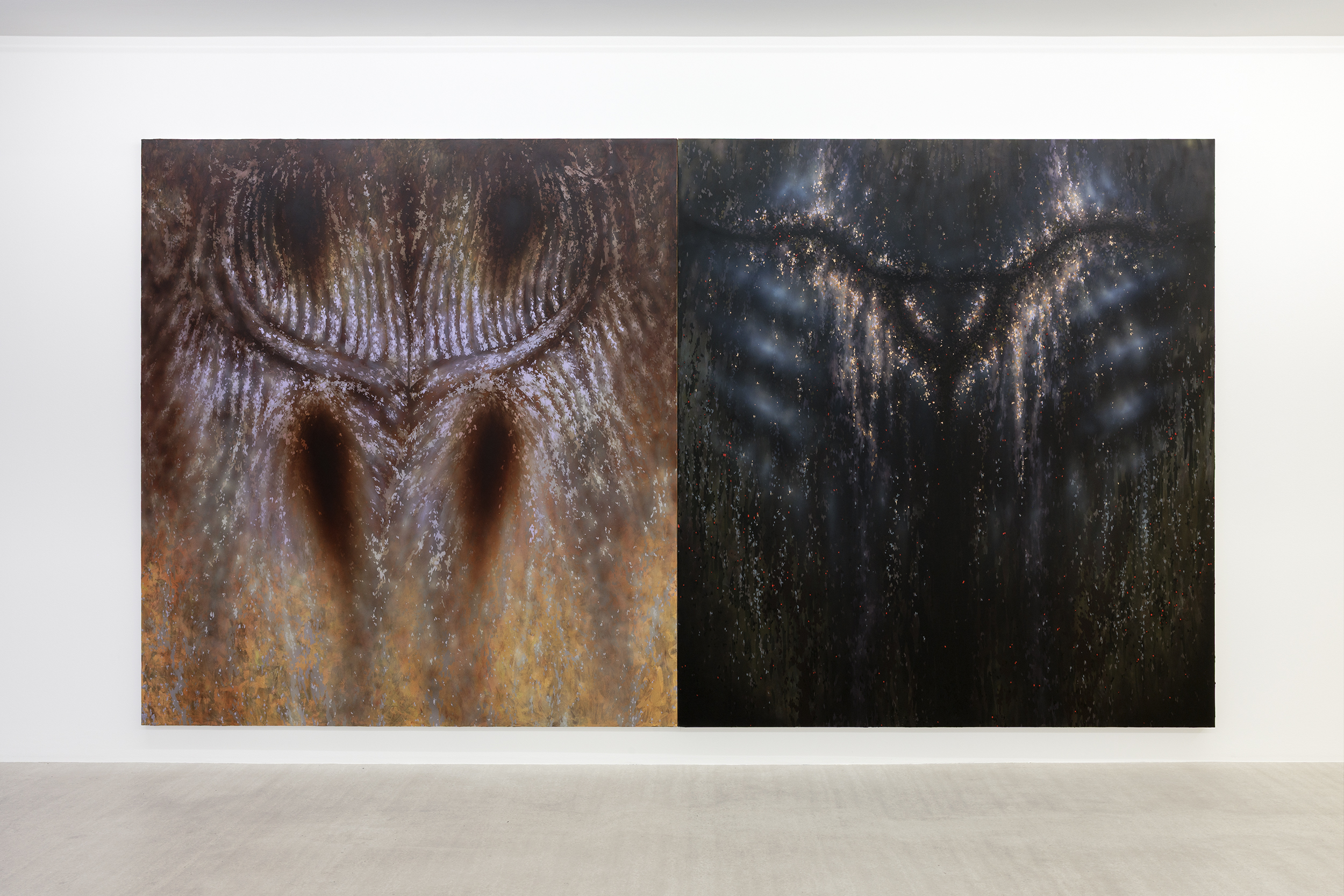
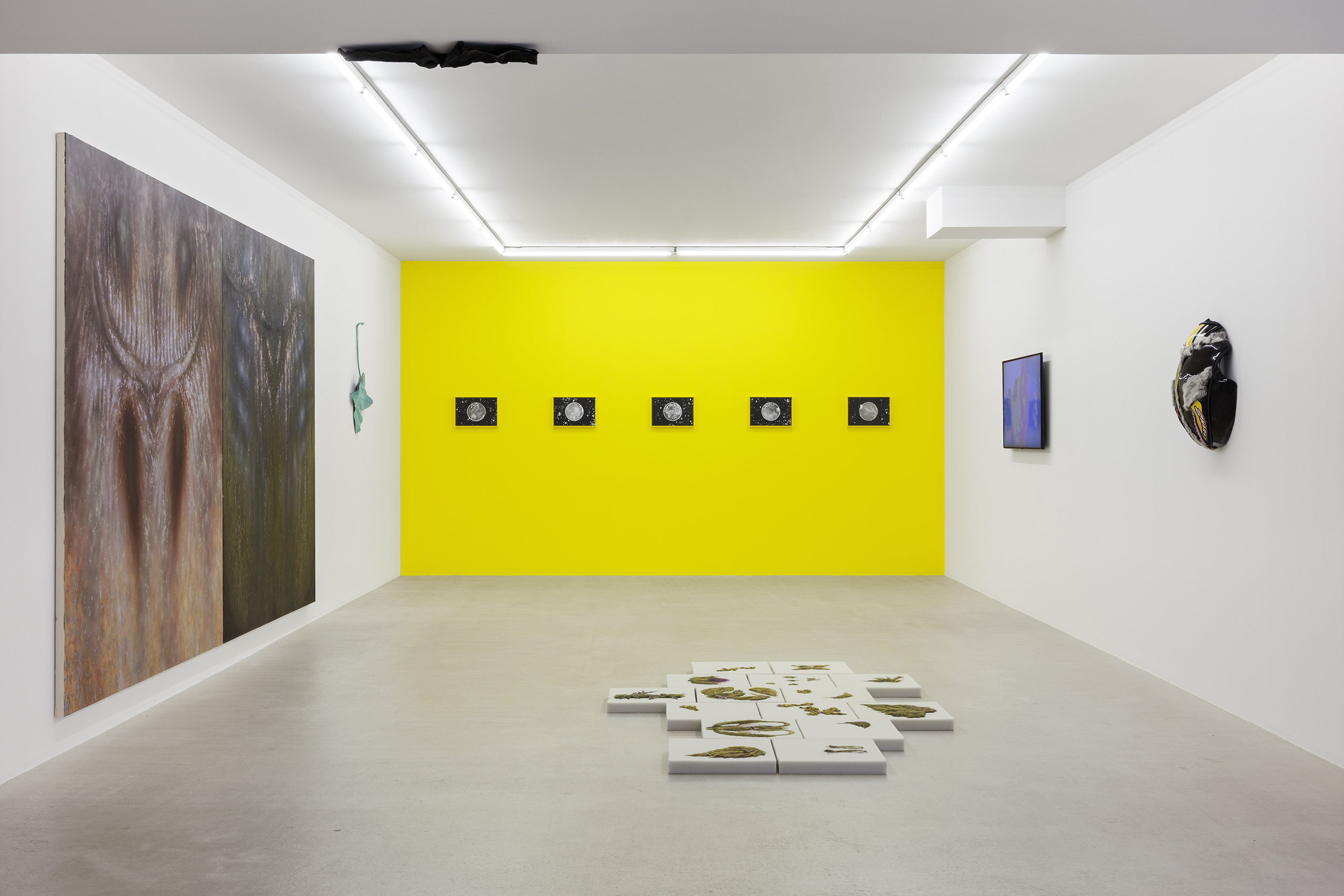
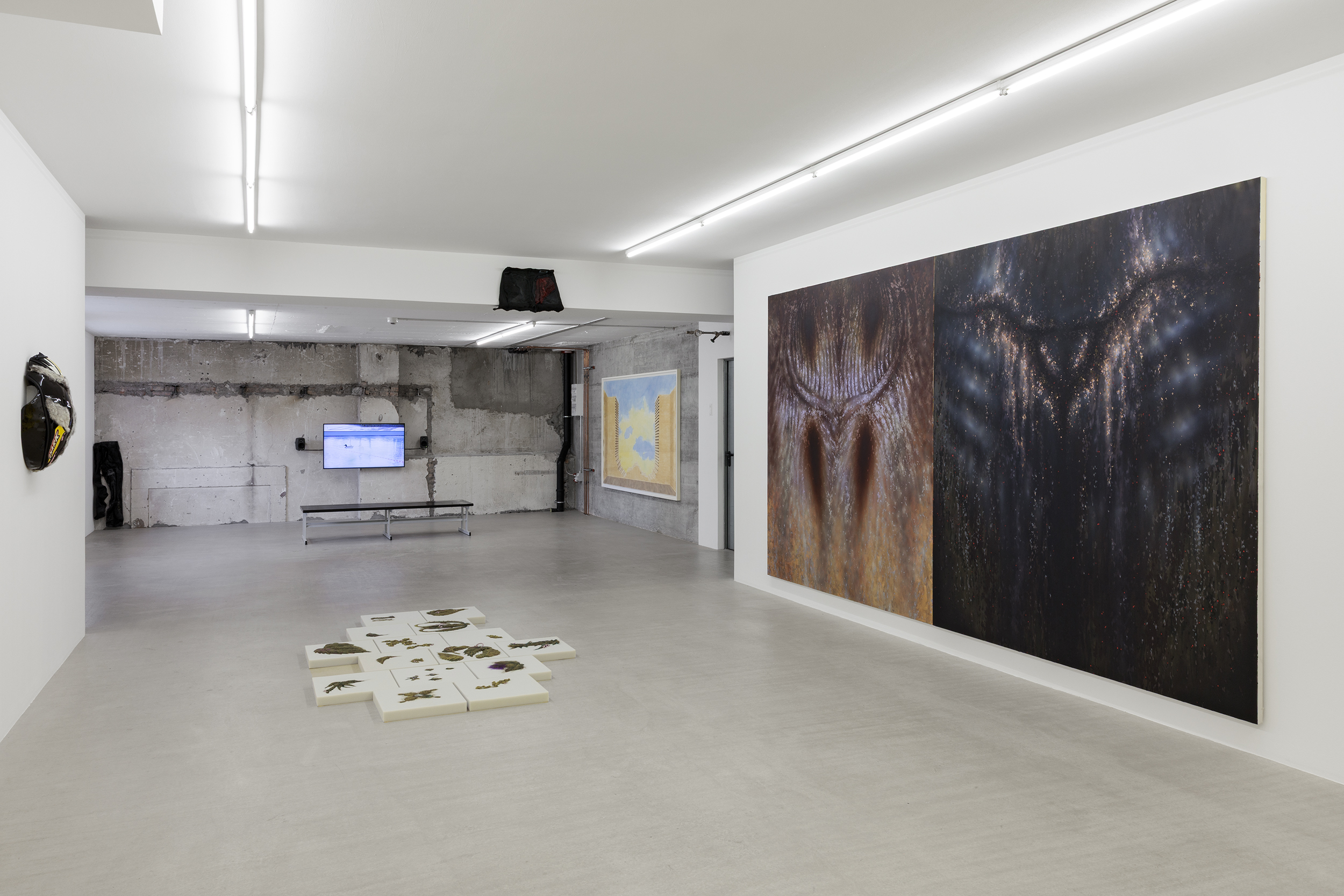
Valuables
group exhibition at For, Basel
Natacha Donzé, Matthias Liechti, Boris Rebetez, Renée Steffen, Raphael Stucky, Li Tavor, Babette Walder
Riding the winds of the future, we are ahead of our time. Much of what we do is investment, is made with an eye towards the future, giving us the feeling that we’re almost there. In the words of Armen Avanessian and Suhail Malik, we live in an era in which the future has replaced the present as the primary structuring aspect of time. And yet there is a lack of collective utopia. What can be imagined is one’s own success or the end of the world. Perhaps because we have just made a utopia come true. Following Max Haiven, every process of life has now been successfully commodified, monetized, and financialized in accordance with capital‘s utopia. Or because abandoning the present makes political thinking impossible. According to Hannah Arendt, the present—caught between the past and the future—offers a unique opportunity to bring together existing experiences and ideas for new beginnings. As such, the present provides a foundation for political action. This does not refer to mindfulness as a recent trend, in which one seeks inner peace and achieves contentment with the world. Rather, it is about finding a mode of perception in which alternatives can be imagined and imbued with emotion, in order to transform what has shaped us again and again. As Simon (e) van Saarloos quotes Paul B. Preciado: Only by imagining the impossible will it be possible to transform the unacceptable. Welcome!
«Beware: All too often, We say What we hear others say. We think What we’re told that we think. We see What we’re permitted to see. Worse! We see what we’re told that we see. Repetition and pride are the keys to this. To hear and to see Even an obvious lie Again And again and again May be to say it, Almost by reflex Then to defend it Because we’ve said it And at last to embrace it Because we’ve defended it And because we cannot admit That we’ve embraced and defended An obvious lie. Thus, without thought, Without intent, We make Mere echoes Of ourselves—And we say What we hear others say.» Octavia E. Butler, Parable of the Talents, 1998